
Photo credit: Gerry Feehan
Torres del Paine National Park
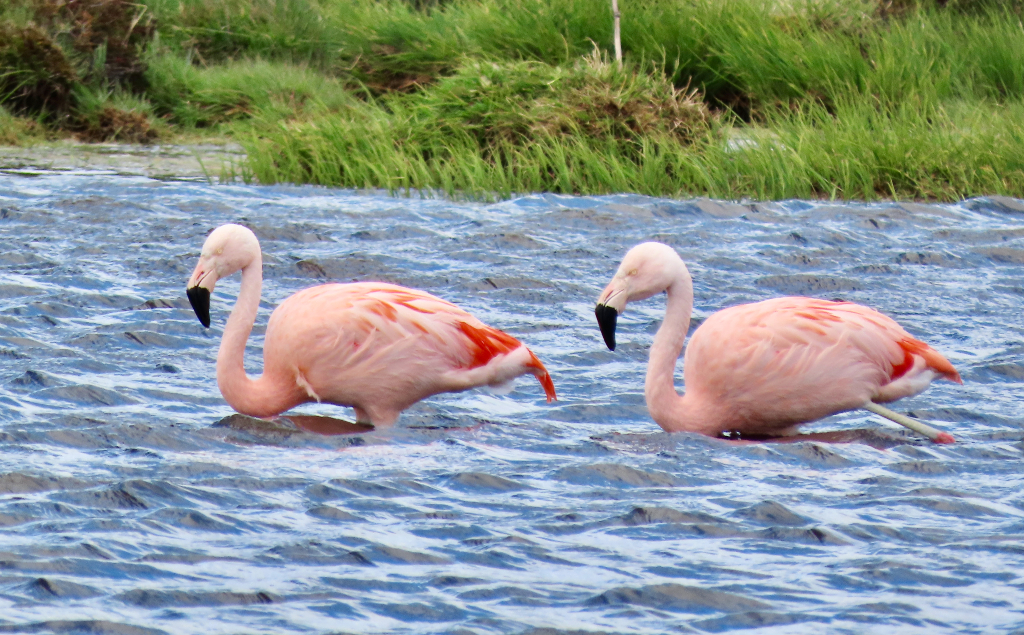
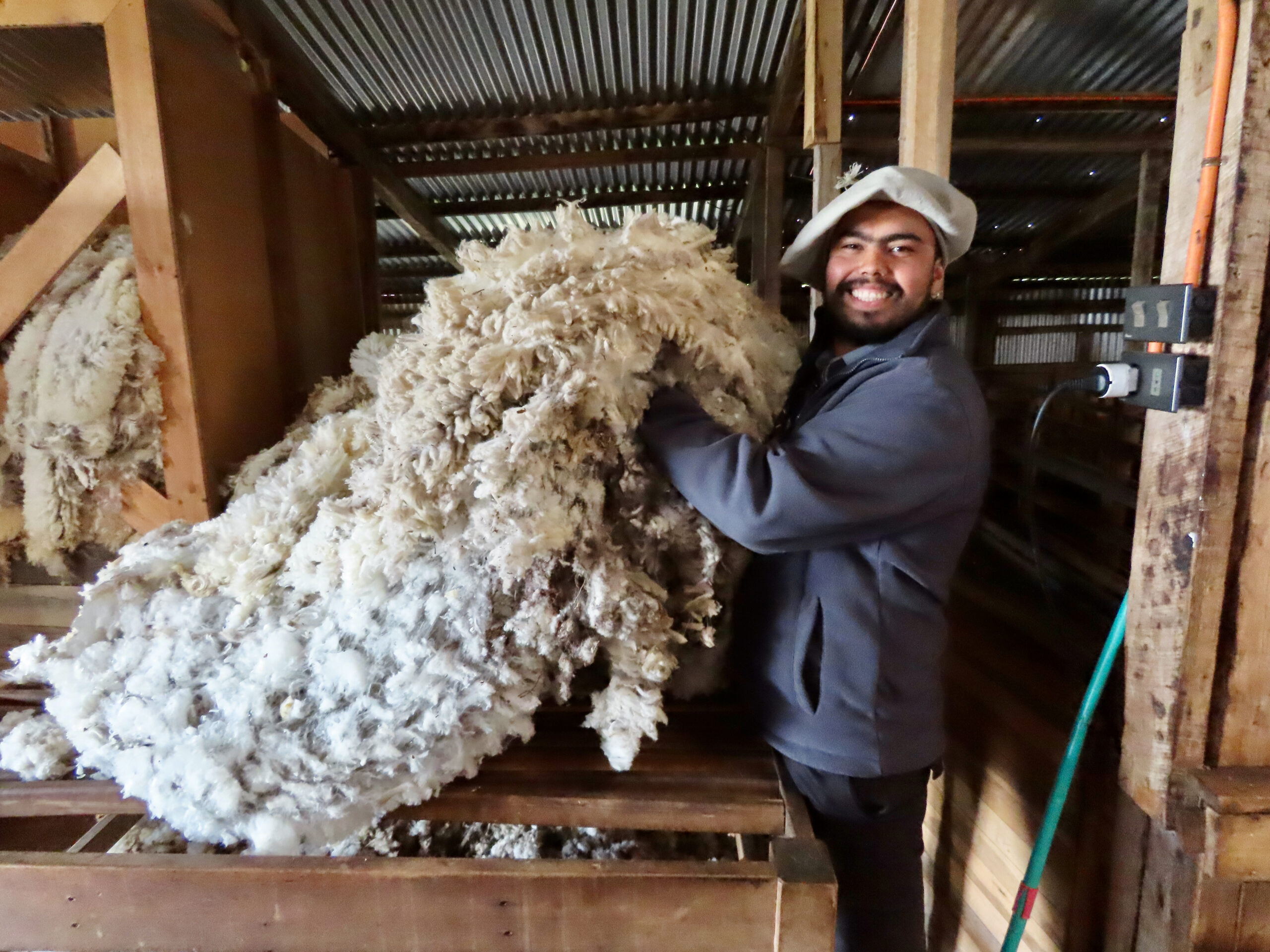
It’s a long and winding road from Punta Arenas to Torres del Paine National Park. Luckily our five-hour drive from Chile’s southernmost city into the mountainous Andes was interrupted by a tasty detour. After watching flat grasslands wave by for a couple of hours, we exited Ruta 9 Norte onto a dirt track. A pair of startled pink flamingoes rose from the pampas and landed indignantly in a roadside pond. At 14,800 acres—and about as many sheep—Cerro Negro Ranch is just an average-sized estancia in this part of Patagonia. A creaking gate and a small sign announced that we had arrived. It was high noon. A gaucho appeared shyly from the sheep barn, dusted himself off and led us into the farmhouse. He quietly offered us something wet to douse the road-dust.
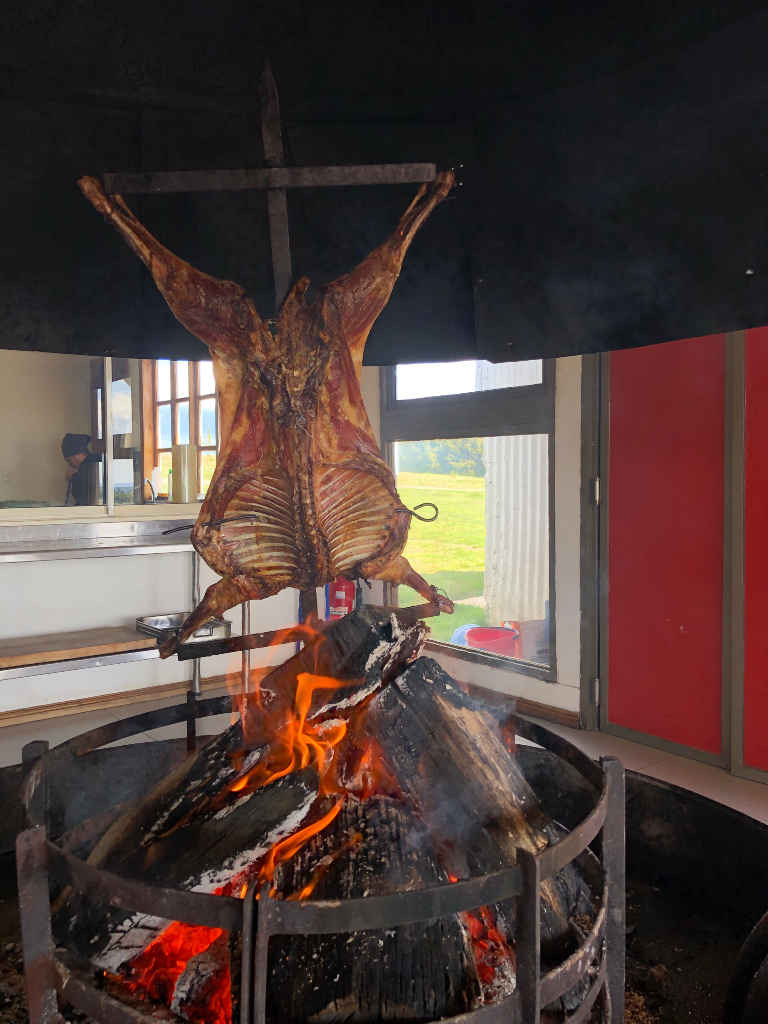
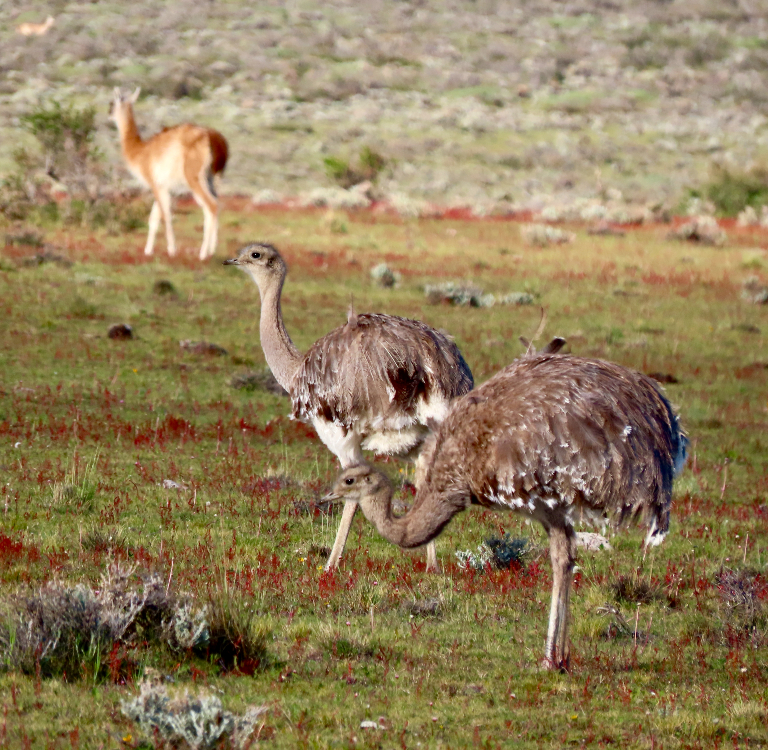
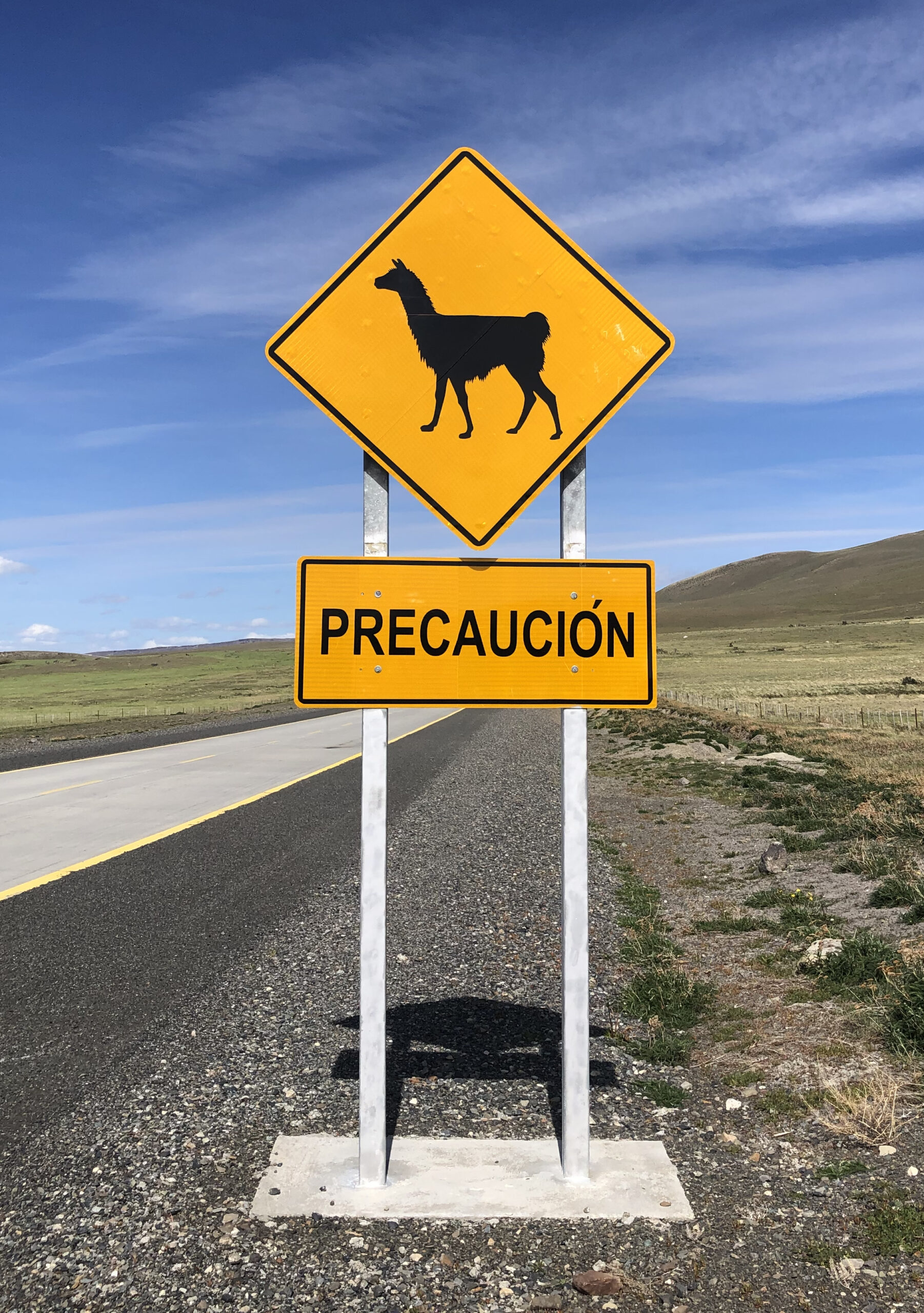
Asado is both tradition and technique. A whole lamb splayed on a rack and slow-roasted on native coals. The ranch’s asador had tended the parrilla for hours before our arrival and lunch was ready. He invited us to sit and began carving tender sections of spring lamb into a metal tureen. A glass of red carménère and all the fixings of a fine Sunday dinner accompanied the feast. Then tea was served (a holdover from Patagonia’s early British pioneers). Tummies crammed, we thanked our gaucho host and climbed back aboard our transport. The resident sheepdog escorted us to the gate. We spent the second half of the drive digesting mutton and napping, sporadically roused by the driver hitting the brakes for a jay-walking rhea or guanaco.
/
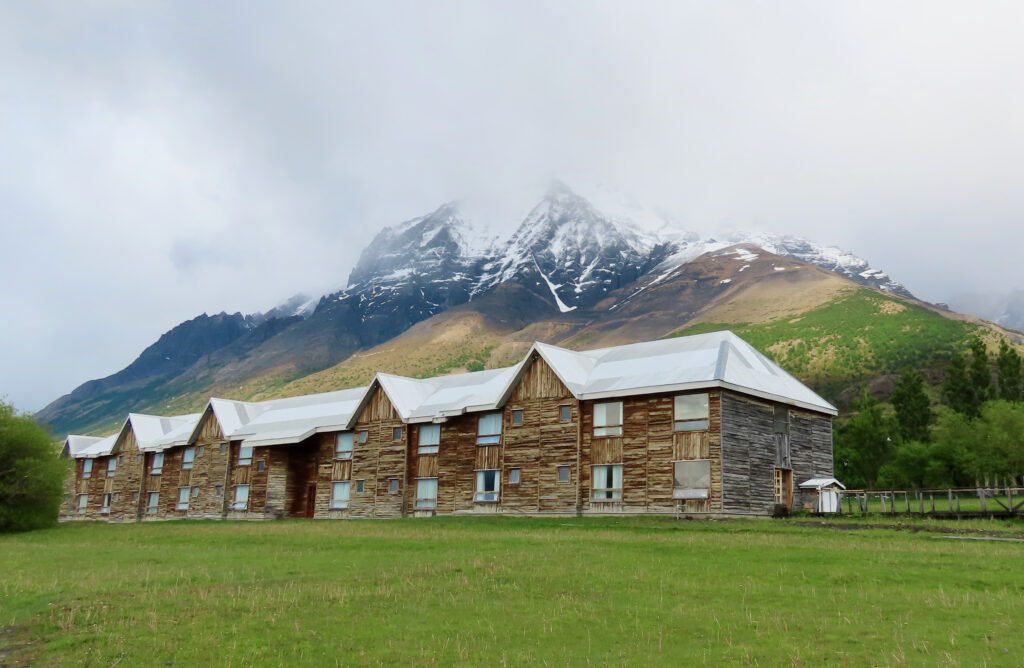
Torres del Paine National Park is comprised of arid plain, rolling steppe and glacial lakes, all back-stopped by the white-capped Andes. And Hotel Las Torres is plunked right where turquoise shore meets vertical granite. This all-inclusive lodge (lastorres.com) offers hiking, horseback riding, even puma viewing. But first dinner. We weren’t very hungry after the asado lunch, so I settled on a 10oz ribeye with a couple of sides. Chileans like their meat.
Over a Pisco sour (a tasty cocktail made with egg-whites) we met our guide Val, who enthusiastically outlined the series of treks and adventures she had planned for us during our four-day stay. People come from around the world to tackle Torres’ renowned hut-to-hut ‘W’ and ‘O’ hikes. I am a creature of comfort and enjoy my nightly carne, glass of wine, hot shower and warm bed. I’m no longer enamoured by the smell of socks drying over a wood-stove or the sound of a stranger snoring fitfully in the bunk below. So we stuck to day hikes—and nightly sours.
I was starving for protein our first breakfast but, turning a blind eye to the sausage links, headed instead for the waffle tray. At 8:15am we laced up our hiking boots, donned backpacks and followed vivacious Val into the soaring Andes. After an hour’s rambling, just as Nordenskjold Lake came into view, the notorious Patagonian wind began to wale. Enormous gusts ripped sheets of water off the lake, up the cliff and into our faces. I tightened the cinch on my raincoat. The rain was pouring uphill. We sought refuge in a forest of bright red firebush. Val invited us to taste the crimson nectar, sweet like a bleeding-heart blossom. The wind calmed and Val strode back out onto the narrow path. When the wind smacked again, she signalled us to crouch and face the gale. This happened a lot.
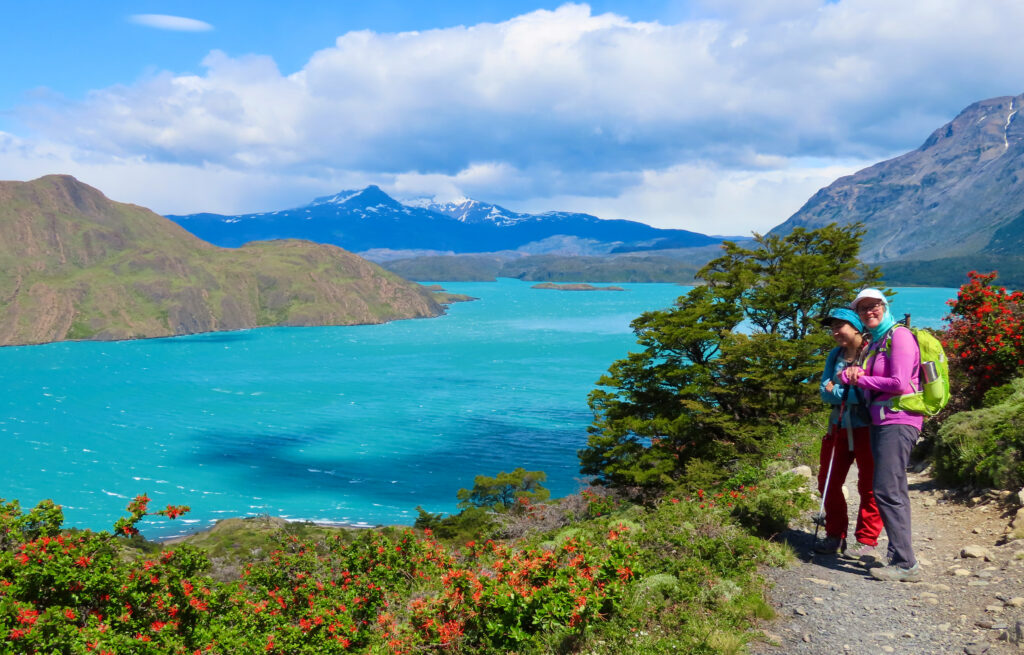
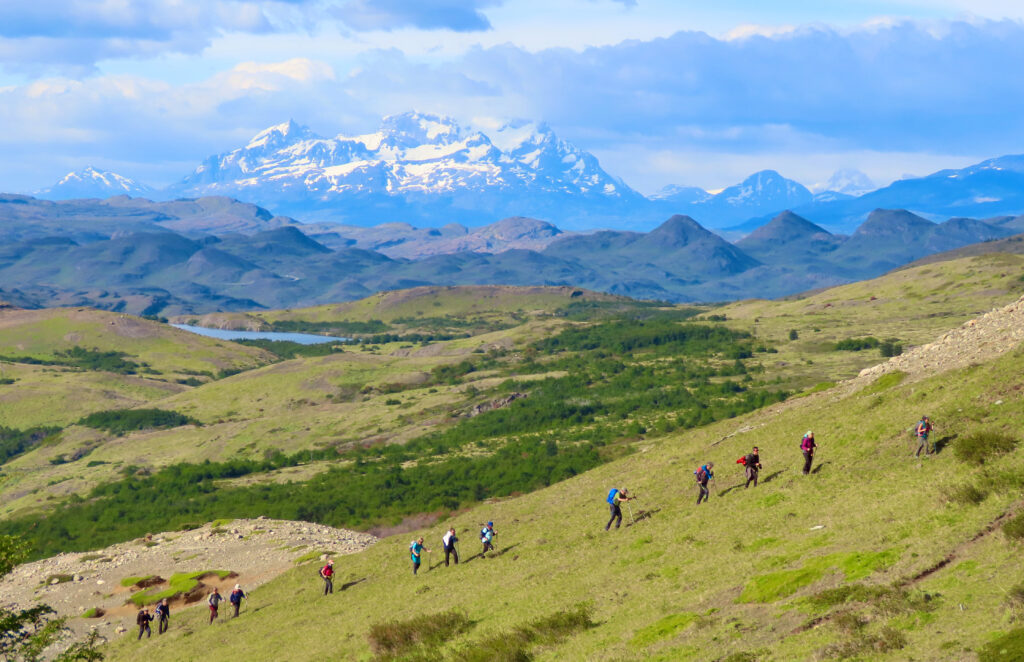
Just before noon we stopped on a large slab of granite. Val pointed up. Los Cuernos, the horn-like mountain that dominates the Cordillera Paine, stood silhouetted against the mid-day sun. While we munched on lunch, Val passed around her thermos, encouraging us to partake in the formalities of yerba maté. The bitter smell of fresh tea filled the mountain air. After basking on the warm rock for a pleasant while, we packed up and turned around. It was after 6pm when we arrived back at the lodge. That morning, none of us had any inkling we were going to endure a 25 km, 10-hour excursion. But our time with Val passed as if hours were minutes.
The amiable manager of Hotel Las Torres is Juan Jose, “But please, call me JJ.” JJ had the reassuring voice and mannerisms of Ricardo Montalban. He was everywhere, calmly floating between the lobby, restaurant and foyer, sincerely inquiring of guests—always with a gentle hand to the shoulder—whether all was to their satisfaction.
The second day’s outing was shorter but much steeper. Our destination was Cerro Paine, which offers a spectacular view of the Paine Massif, the three granite pillars that make up Torres’ most iconic landmark. From the hotel we traversed pastureland for an hour, stopping occasionally to admire the flora and fauna. Val pointed out finches, siskins and an Andean flicker. A beautiful red-breasted meadowlark stood sentry on a fencepost. With raucous warnings, a pair of territorial southern lapwings suggested we stay on the path. Calafate bushes, with their glossy evergreen leaves and blueberry-like fruit, glistened in the November spring sun.
Exiting the dry steppe we began an ascent through a thick forest of lenga and coigue trees. When we reached treeline the path became less defined and much steeper. And that nasty Patagonian breeze picked up. We scrambled up a series of switchbacks, hitting all fours at Val’s command. When we reached the summit it was impossible to stand. We crawled to the viewpoint in a 100km/hr wind, coats flapping so wildly we couldn’t hear one another speak.
After just a few minutes, Val signalled it was time to leave. The insane gale made the descent even more treacherous. Then came rain. Part way down the slippery winding scree we came upon a young woman laying askew the trail. Her ankle was broken. Two guides were attempting her rescue in awful conditions.
Safely back in the hotel lobby, I removed my pack and began deleting some of the wobbly photos I’d snapped up top. Out of nowhere JJ materialized and asked if he could offer us a cerveza and a snack. “Yup,” was the unanimous reply. Minutes later cold Australs and hot pequenes appeared. We slept well that night.
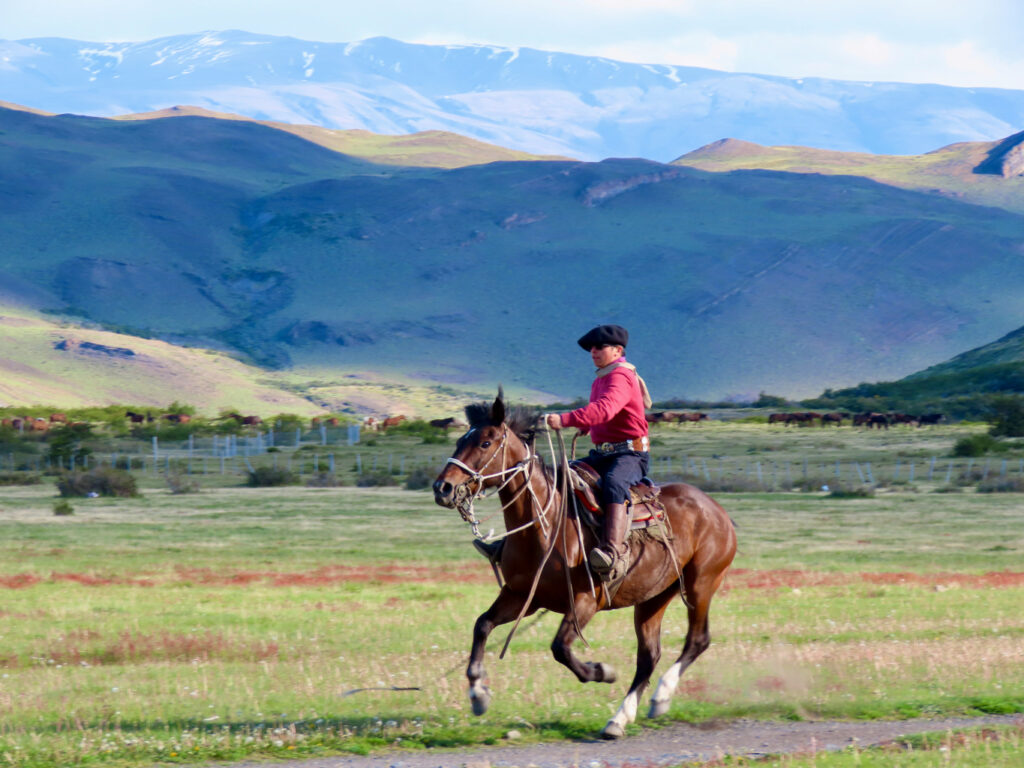
Chileans like horses. I’ve never been much of a caballero so it took a little twisting of the arm and a leg-up to get me into the saddle. But once aboard—and with a little coaching from the resident gauchos—I was soon coaxing my steed over the steppe, through streams and up and down arroyos. When the lead guide gave the go ahead for a little cantering, I gave my mount the giddy-up and almost kept pace with Val, who was born with a lead in her mouth. It was exhilarating—although my backside lamented the outing for days afterward.
I stayed up late the last night at Las Torres. After the rest of the group had wisely retired, I stumbled into an old law school acquaintance in the hotel bar. After clapping each other on the back we retired to a quiet corner and, over a shaken-not-stirred Pisco sour, rehashed past glories. I was a little crambazzled in the morning and, despite a big travel day looming on the horizon across the Andes and into Argentina’s glacial lake district, took only a tentative run at the bacon tray.
Gerry

Leona Petrick says
Great story, Gerry! I love the mix of interesting information interspersed with humor. The pictures are beautiful and make the story even more enjoyable!
Congratulations on getting your stories and photos published more broadly. I look forward to reading more!
Victor says
Your customary excellent storytelling, Gerry. Made me more aware than ever that my own particular days as an adventurer are sensibly well and truly over. Accordingly, I look forward enthusiastically to your (our) next battle with nature.
Nikki Donlevy says
Wonderful adventure. Thank you for sharing. I felt wind blown at the end of each day.
Claudette McCartney says
Thank you Gerry. I always enjoy reading your articles. There’s a great world out there and Florence and you are enjoying every step!
Until the next adventure you two, Stay well!
Claudette
Katherine Holmes says
Love reading about your arduous adventures!
russ quinn says
Gerry,
It's been a while. I always enjoy reading about your travel adventures as they are so well written. You really captured the beauty of the Torres del Paine National Park with your photos. The opening photo is a gem!
Michael Lynch says
Thanks Gerry great to see your still able to be trotting on foot and horse back. I do hope that Florence had a the same happiness as you enjoyed.
Mike
James (Jim) McPherson says
Gerry, you and Florence are incredibly adventurous (and crazy). Small wonder I couldn’t get by you playing hockey at Kin City in the good ol days. I love reading about your adventures. Put me down as a Fan, and admirer.
James (Jim) McPherson says
James (Jim) McPherson